


Employee Wellness Month can put well-being back on the agenda. But the pressures employees are managing do not begin or end in 30 days.
Workload, financial stress, caregiving responsibilities, health concerns, and uncertainty can affect employees throughout the year. Addressing those challenges takes more than a month-long campaign. It requires a broader strategy built around what employees actually need and can realistically (and easily) use!
For HR and total rewards leaders, Employee Wellness Month is an opportunity to start the conversation. The real work is making employee well-being part of the experience year-round.
Look beyond traditional wellness programs
Workplace wellness has often focused on fitness challenges, gym memberships, and health screenings. These programs can be useful, but they only address one part of an employee’s life.
Well-being can also be shaped by:
- Workload and job design
- Financial security
- Mental and emotional health
- Social connection
- Family and caregiving responsibilities
- Access to useful benefits and resources
- A sense of purpose and belonging
These factors do not exist separately. Financial pressure can affect mental health. Heavy workloads can leave employees with less time to exercise, prepare meals, or connect with family. A lack of support at work can contribute to stress even when wellness resources are available.
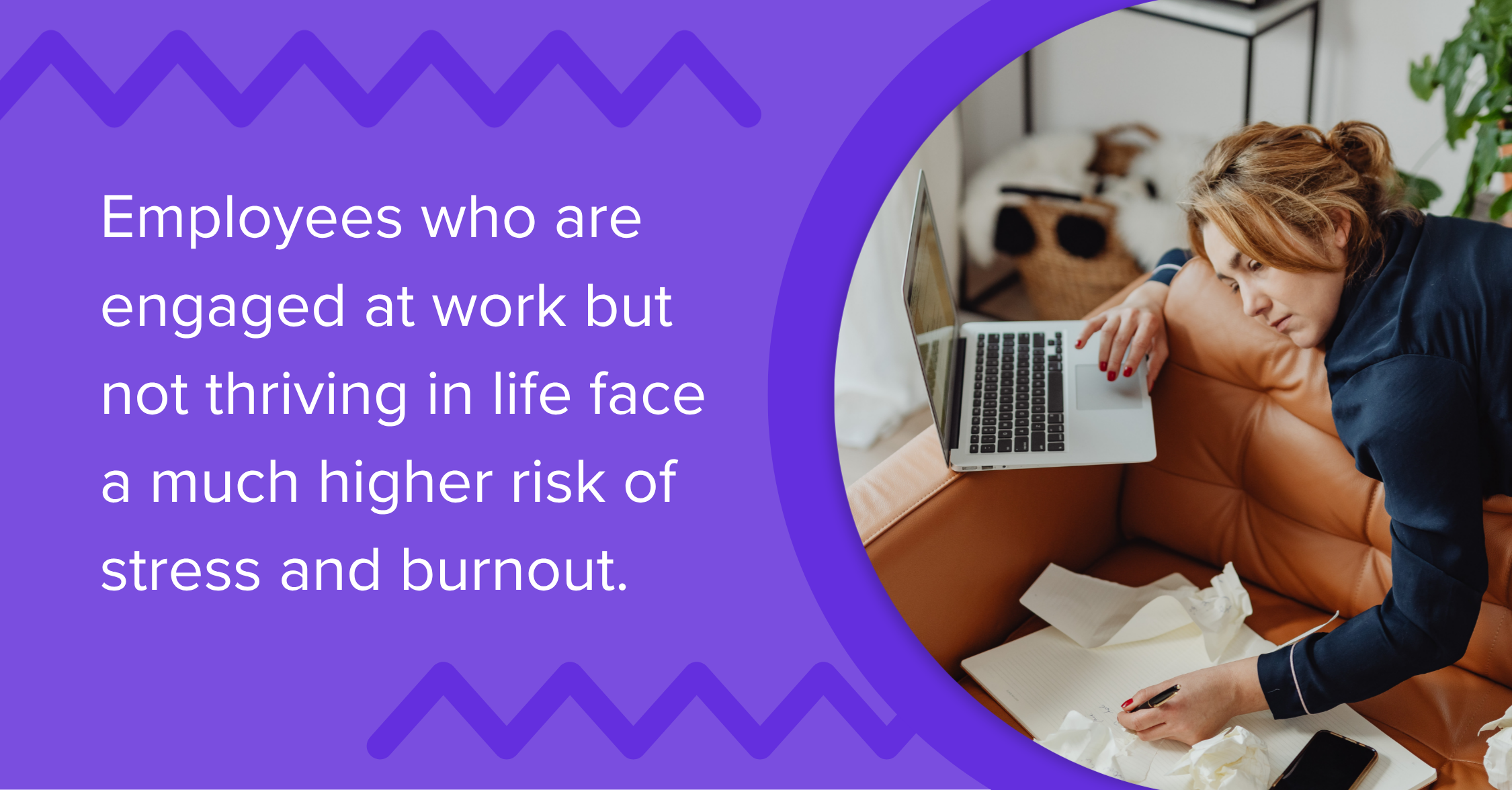
Gallup found that only 34% of employees worldwide were thriving in their overall lives in 2025. It also found that employees who are engaged at work but not thriving in life face a much higher risk of stress and burnout (1).
Understand where the pressure is coming from
Wellness initiatives often focus on what employees can do differently. Exercise more. Build better habits. Make time to recharge. Individual habits matter, but they cannot solve structural problems.
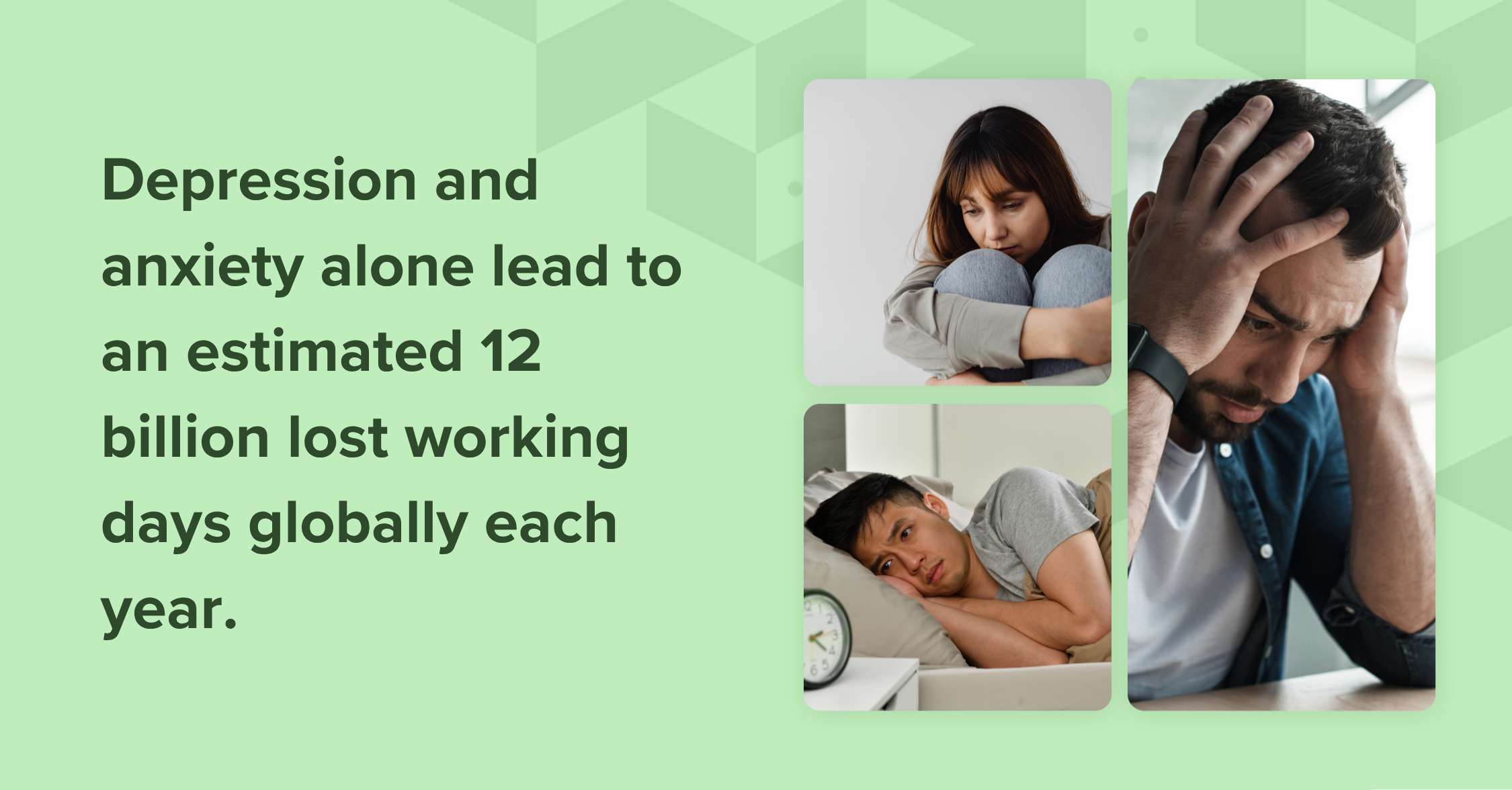
The World Health Organization identifies excessive workloads, low job control, discrimination, inequality, and job insecurity as workplace risks to mental health. Depression and anxiety alone lead to an estimated 12 billion lost working days globally each year (2).
Economic uncertainty is adding to the pressure. MetLife’s 2025 U.S. Employee Benefit Trends Study found that 77% of employees identified rising medical costs as a major source of stress, while 68% pointed to economic uncertainty (3).
Job security is another concern. More than half of U.S. workers surveyed by the American Psychological Association in 2025 said job insecurity was having a significant impact on their stress levels (4).
Employers cannot remove every source of stress. They can examine whether their workplace practices, benefits, and communication are helping employees manage it.
That starts with practical questions:
- Are workloads sustainable?
- Do employees have enough control over how they work?
- Can they find and understand their benefits?
- Do available resources reflect different life stages and needs?
- Are managers equipped to direct employees to support?
- Do employees feel comfortable using the resources available?
A wellness strategy should reduce friction; not become another expectation employees must meet.
Give employees more than one way to participate
There is no universal version of wellness.
For one employee, support might mean affordable access to a fitness class. For another, it could mean counseling, help with household expenses, or more time with family. Employees’ needs also change as their careers, health, and responsibilities evolve.
A more flexible strategy can include:
- Mental health resources and counseling
- Fitness, mobility and recovery support
- Flexible work and leave policies
- Financial education and savings tools
- Support for caregivers and families
- Savings on groceries, meals and household purchases
- Recreation, travel and shared experiences
- Opportunities to build connection at work
The goal is not to prescribe how employees should take care of themselves. It is to give them relevant options and the ability to choose.
Employee discount programs can support this approach by helping employees stretch their income across purchases they are already making. They can also make fitness, food, travel, entertainment, and other wellness-related products and experiences more affordable.
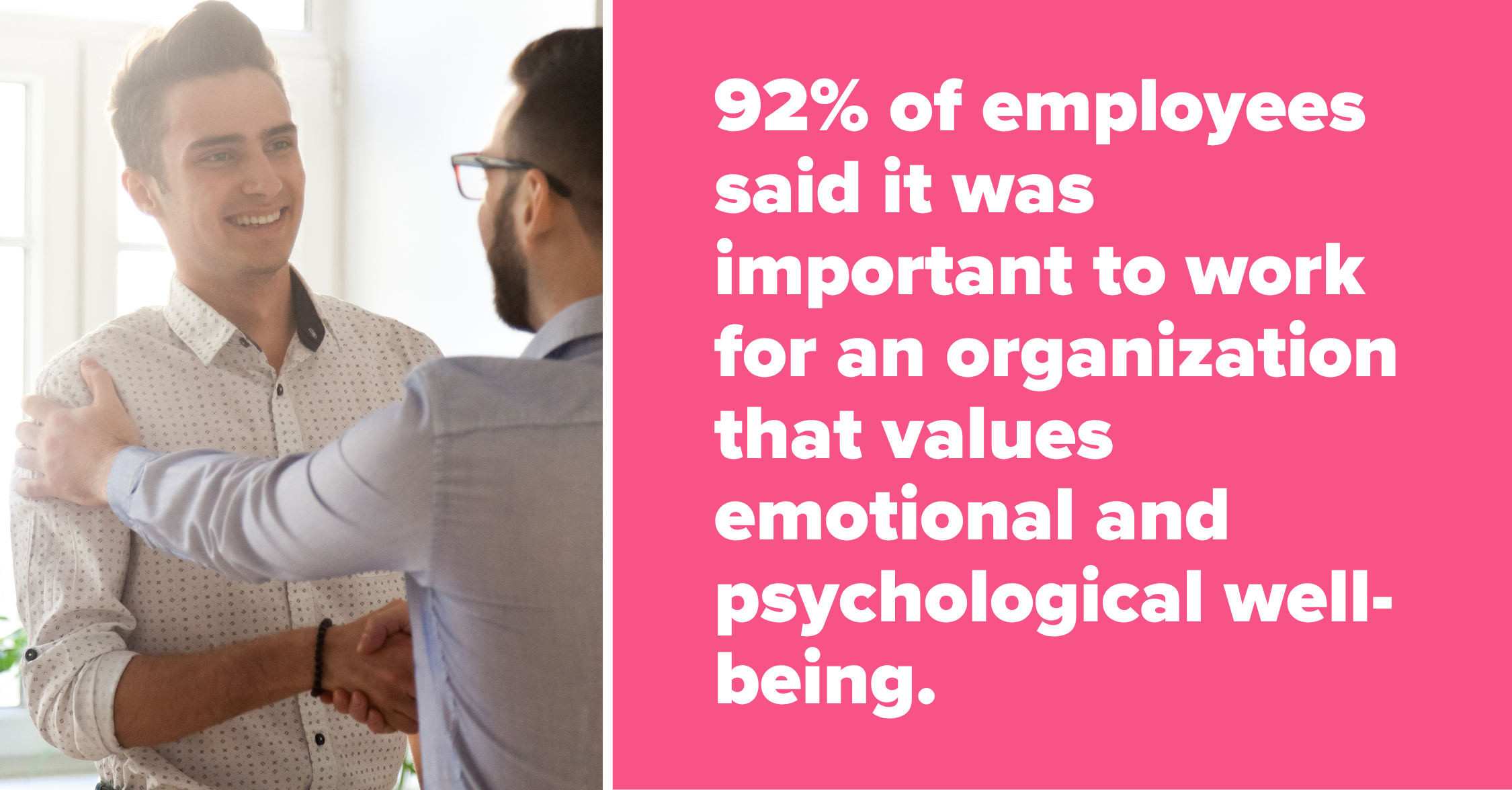
That does not replace core health benefits or fair workplace policies. It complements them by bringing support into employees’ daily lives. In an American Psychological Association survey, 92% of employees said it was important to work for an organization that values emotional and psychological well-being (5).
Address the work itself
Wellness benefits cannot make an unsustainable workplace sustainable.
A meditation app will not solve chronic understaffing. A fitness challenge will not offset a culture where employees feel unable to take time off. Resilience training will have limited impact if employees have little control over their work.
The WHO recommends organizational interventions alongside manager training, employee education and individual support (6). That means examining the workplace conditions contributing to stress, not placing the full responsibility on employees.
Managers have an important role. They can help set realistic expectations, encourage healthy boundaries, and connect employees with available resources. But they should not be expected to diagnose health concerns or compensate for organizational problems on their own.
A credible wellness strategy should address both sides of the equation: the resources available to employees and the environment in which they work.
Keep the conversation going after August
Employee Wellness Month creates a natural reason to reintroduce benefits, ask for feedback and highlight available support, but it should not be the only time employees hear about well-being. A year-round communication plan can connect resources with the moments when they are most useful:
- Financial support during high-spending periods
- Mental health resources during organizational change
- Caregiver support during key family transitions
- Fitness and nutrition resources when routines shift
- Recreation and travel offers around time off
- Regular reminders about underused benefits
Turn a wellness moment into a long-term strategy
Employee well-being is not defined by the number of programs an organization offers. What matters is whether those programs reflect employees’ needs, address real barriers, and remain accessible throughout the year.
Employee Wellness Month can start that review. A strong total rewards strategy keeps it moving by combining healthy workplace practices with practical resources employees can use in their own lives.
BenefitHub helps organizations extend that support with savings on products, services and experiences employees already value. By helping employees make their income go further, employers can add another practical layer to a broader, year-round well-being strategy.
Sources:
- Gallup, "State of the Global Workplace 2026," mid-April 2026.
https://www.gallup.com/workplace/697904/state-of-the-global-workplace-global-data.aspx and "Employee Wellbeing Is Key for Workplace Productivity," https://www.gallup.com/workplace/215924/well-being.aspx - World Health Organization, "Mental Health at Work," September 2, 2024.
https://www.who.int/news-room/fact-sheets/detail/mental-health-at-work - MetLife, "Economic Concerns Lower U.S. Workforce Health and Productivity, Raising Need for Employee-Employer Trust: New MetLife Study," March 17, 2025.
https://www.metlife.com/about-us/newsroom/2025/march/economic-concerns-lower-us-workforce-health-and-productivity-raising-need-for-employee-employer-trust-new-metlife-study/ - American Psychological Association, "2025 Work in America Survey," May 21, 2025..
https://www.apa.org/pubs/reports/work-in-america/2025 - American Psychological Association, "2023 Work in America Survey: Workplaces as Engines of Psychological Health and Well-Being," 2023.
https://www.apa.org/pubs/reports/work-in-america/2023-workplace-health-well-being - World Health Organization, "Guidelines on Mental Health at Work," September 28, 2022.
https://www.who.int/publications/i/item/9789240053052