


Back-to-school season comes with a long shopping list.
Clothing, tech, school supplies, sports, extracurriculars, registration fees, you name it! These costs add up quickly, and most of it lands within a few short weeks.
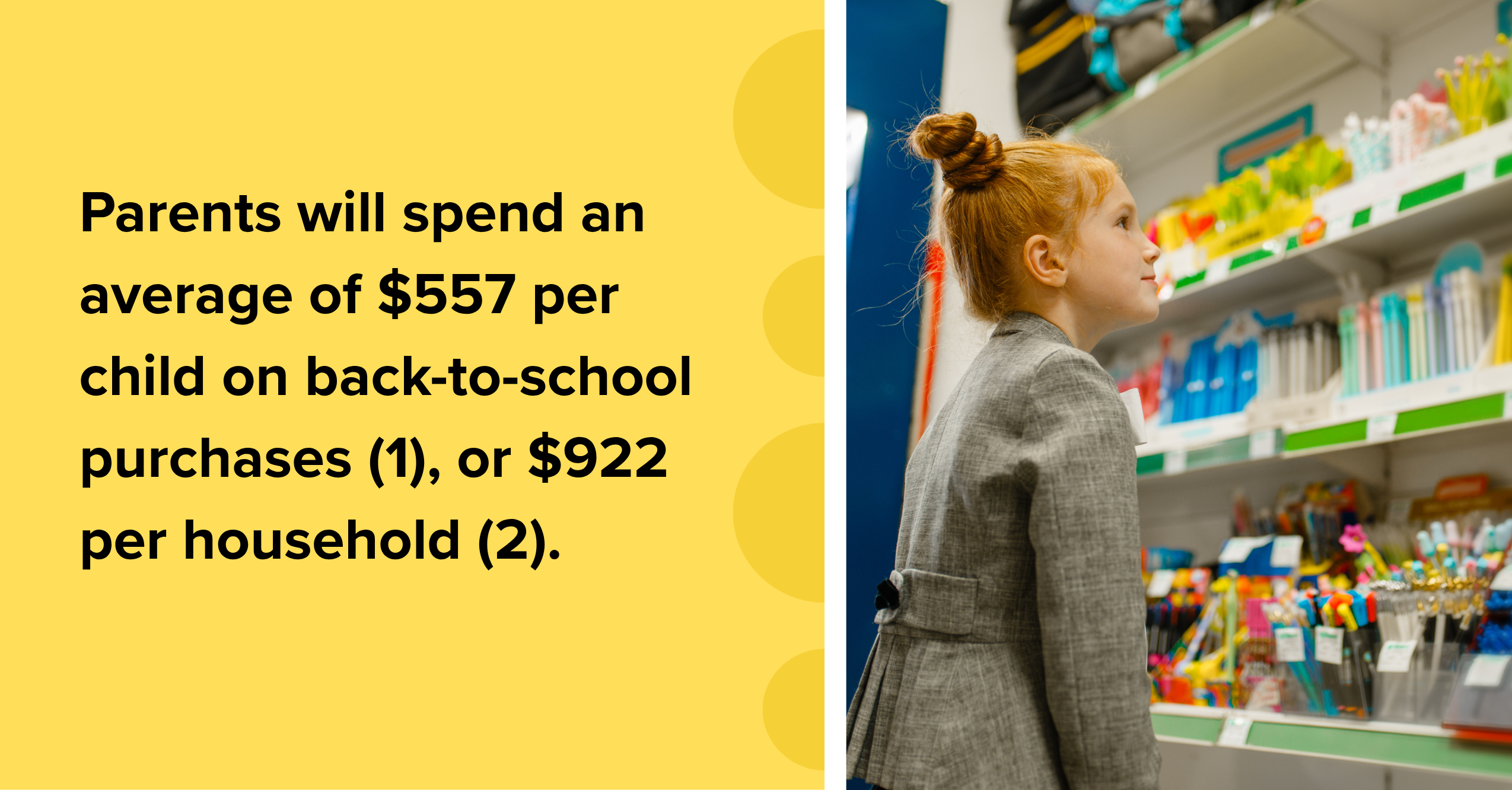
Deloitte estimates that parents will spend an average of $557 per child on back-to-school purchases (1). PwC puts expected household spending at $922 (2).
For employers, this creates a timely opportunity to connect employees with savings they may already have access to.
The spending continues after the first bell
Back-to-school shopping gets plenty of attention. The costs that follow often do not.
PwC found that parents expect to spend another $635 per household each month on school fees, tutoring, meals, snacks, and other recurring expenses (2).
Those costs arrive alongside regular household bills. And many families have limited room to absorb them. In 2025, only 55% of parents living with children under 18 said they could cover a $400 emergency expense using cash or its equivalent (3).

Back-to-school season may be predictable, but that does not make it easy to budget for. Timely access to relevant savings can help employees keep more of their income for other priorities.
Meet employees where they are already spending
Employees do not need another reason to shop. They need better value on the purchases already on their lists.
A strong employee discount program can connect them with savings across categories such as:
- Clothing and footwear
- Laptops, tablets, and other technology
- School and office supplies
- Meal planning and food delivery
- Family activities and entertainment
These are not limited to one season. The same categories remain useful as routines change and new expenses come up throughout the year.
That is what makes back-to-school a strong engagement moment. It creates an immediate reason for employees to explore the program, while introducing savings they can return to later.
Make it easy to find value
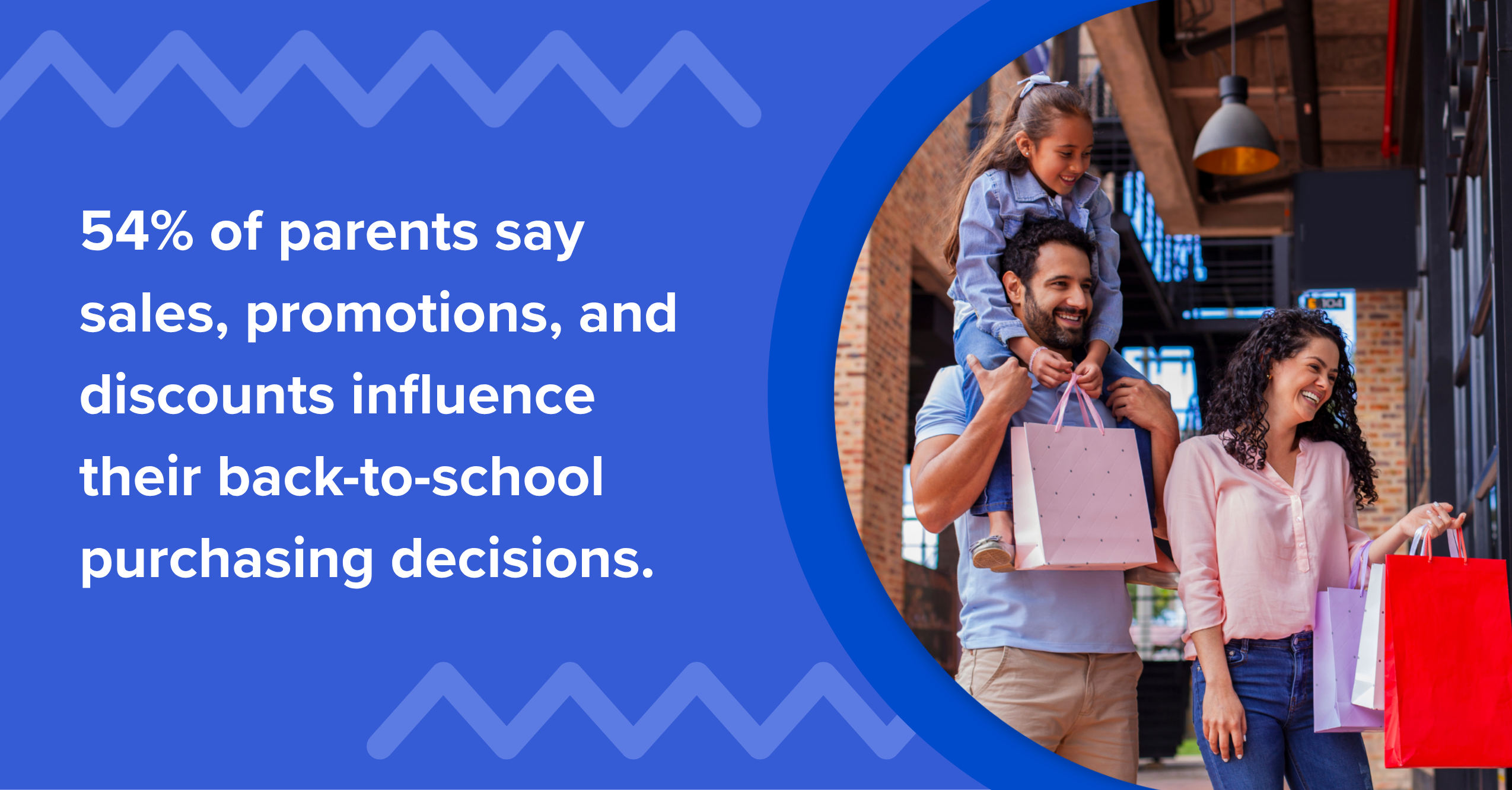
Parents are already comparing prices and looking for deals. More than half say sales, promotions, and discounts influence their back-to-school purchasing decisions (2).
But the shopping journey has become more complicated.
Families move between stores, brand websites, marketplaces, social media, and AI tools before making a purchase. PwC found that 73% of parents plan to use AI to research products, compare options, budget, or find deals during the back-to-school season (2).
Employees are willing to look for savings. The opportunity is to make that search simpler.
A centralized platform can give them one place to explore relevant offers before they buy. Instead of searching across multiple sites or waiting for a promotion, employees can begin with a resource provided through work.
Use the season to reintroduce the program
Even a strong program can be overlooked if employees only hear about it once.
Back-to-school season gives HR and total rewards teams a natural reason to bring it back into view. The message is timely, familiar, and easy to act on.
Start early. PwC found that 71% of families complete their back-to-school shopping between two weeks and two months before school begins (2).
A simple campaign could include:
- An early reminder before shopping peaks
- A short list of relevant savings categories
- Clear instructions for accessing the platform
- A follow-up for employees shopping closer to the start of school
- A reminder that the offers remain available throughout the year
Avoid sending a long catalogue of discounts. A few timely examples and a direct link can be more useful than trying to show everything at once.
The goal is to help employees take the next step: open the platform, search for what they need, and see where they could save.
Keep the message inclusive
Back-to-school messaging can reach beyond parents of school-aged children.
Employees may be returning to school themselves, upgrading a home office or helping grandchildren, nieces, nephews and other family members. Others may simply be resetting routines as summer ends.
Broad categories such as technology, food, apparel, and transportation can be relevant across the workforce.
The campaign does not need to assume everyone has the same shopping list. It should show employees how to find value based on their own needs.
Build a repeatable engagement calendar
Back-to-school should not be a one-off promotion.
It can be part of a larger communication strategy built around moments when employees are likely to spend more or rethink their routines.
That could include:
- Tax season
- Spring home projects
- Summer travel
- Back-to-school
- Open enrollment
- Holiday shopping
- New Year wellness goals
Each moment gives employers a reason to highlight a different part of the program. Together, those reminders help keep employee savings visible without making the communication feel repetitive.
This approach also gives employees more chances to discover the program. Someone who ignores a travel message may respond to an offer on technology, fitness, or groceries a few months later.
Relevance drives engagement.
Look beyond the size of the offer catalog
More discounts do not automatically create more value.
When reviewing an employee savings program, consider:
Relevance.
Do the offers match real employee spending needs?
Breadth.
Can different generations, household types and income levels find something useful?
Access.
Is it easy to search for and redeem an offer?
Timing.
Can the program support seasonal and year-round communications?
Engagement.
Can you understand how employees are using it?
A useful program should fit naturally into employees’ lives. It should be easy to remember, easy to access and worth returning to.
Start with back-to-school. Think year-round.
Back-to-school is a natural time to talk about savings. But the real value lasts beyond the season.
BenefitHub connects employees with savings across shopping, travel, entertainment, health, financial services, and more. Employees can find relevant offers when expenses come up, while employers gain a practical way to keep their total rewards program visible throughout the year.
The shopping list will change. The opportunity to help employees save will not.
Sources:
https://www.deloitte.com/us/en/insights/industry/retail-distribution/back-to-school-survey.html
https://www.pwc.com/us/en/industries/consumer-markets/library/backtoschool-spending.html
https://www.federalreserve.gov/consumerscommunities/sheddataviz/unexpectedexpenses-table.html