

For many HR and total rewards teams, open enrollment planning is officially underway.
There are plan changes to explain, systems to test, documents to prepare and deadlines to communicate. Employees, meanwhile, are being asked to make decisions that could affect their healthcare and household finances for the next year.
Getting everyone enrolled correctly matters. But open enrollment can do more than complete an administrative process. It can help employees better understand their benefits, recognize the investment their employer is making, and discover support they can use throughout the year.
Start with the decisions employees need to make
Benefits can be complicated. Employees may need to compare premiums, deductibles, copayments, provider networks, account options and coverage levels. They may also be reviewing life insurance, disability coverage, voluntary benefits, and other resources at the same time.
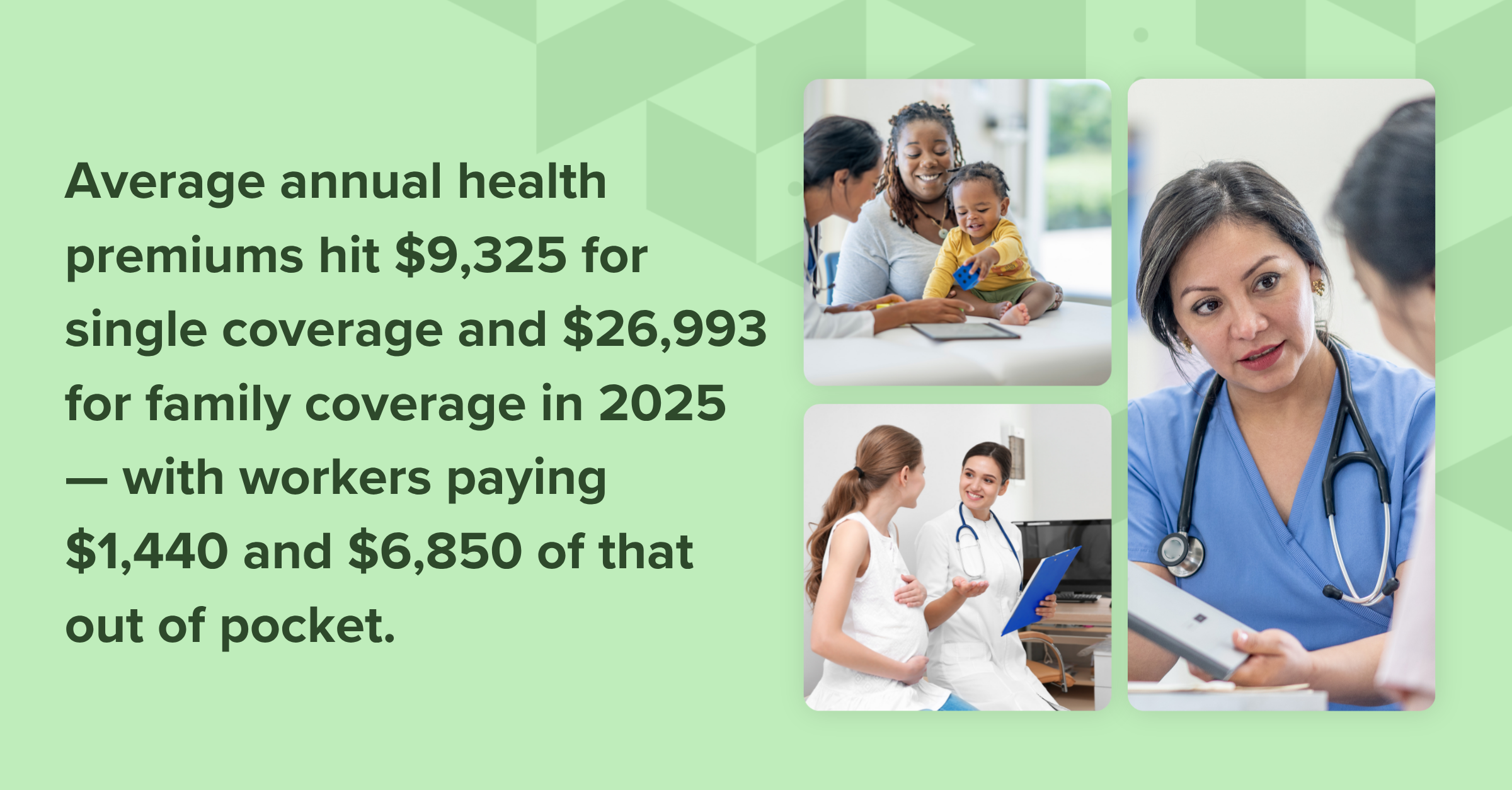
Those decisions carry real financial weight. According to KFF’s 2025 Employer Health Benefits Survey, average annual premiums reached $9,325 for single coverage and $26,993 for family coverage. Workers contributed an average of $1,440 and $6,850, respectively. Among employees with a general annual deductible, the average deductible for single coverage was $1,886 (1).
Yet more information does not automatically create better understanding. A long benefits guide may contain every required detail while still leaving employees unsure about what they need to do.
Effective communication begins with the employee’s immediate questions:
- What is changing?
- What action do I need to take?
- What will it cost?
- When is the deadline?
- Where can I compare my options?
- Who can help if I have questions?
Lead with those answers. Supporting details can follow through plan documents, FAQs, webinars, and decision-support tools.
Show employees the full benefits picture
Open enrollment naturally puts health coverage at the center of the conversation. But it may also be one of the few times employees actively examine everything available through work.
That creates an opportunity to present benefits as a connected experience rather than a collection of unrelated programs.
The need is clear. The Employee Benefit Research Institute found that workers believed benefits represented an average of only 16% of their total compensation - well below the approximately 30% reflected in Bureau of Labor Statistics data (2).
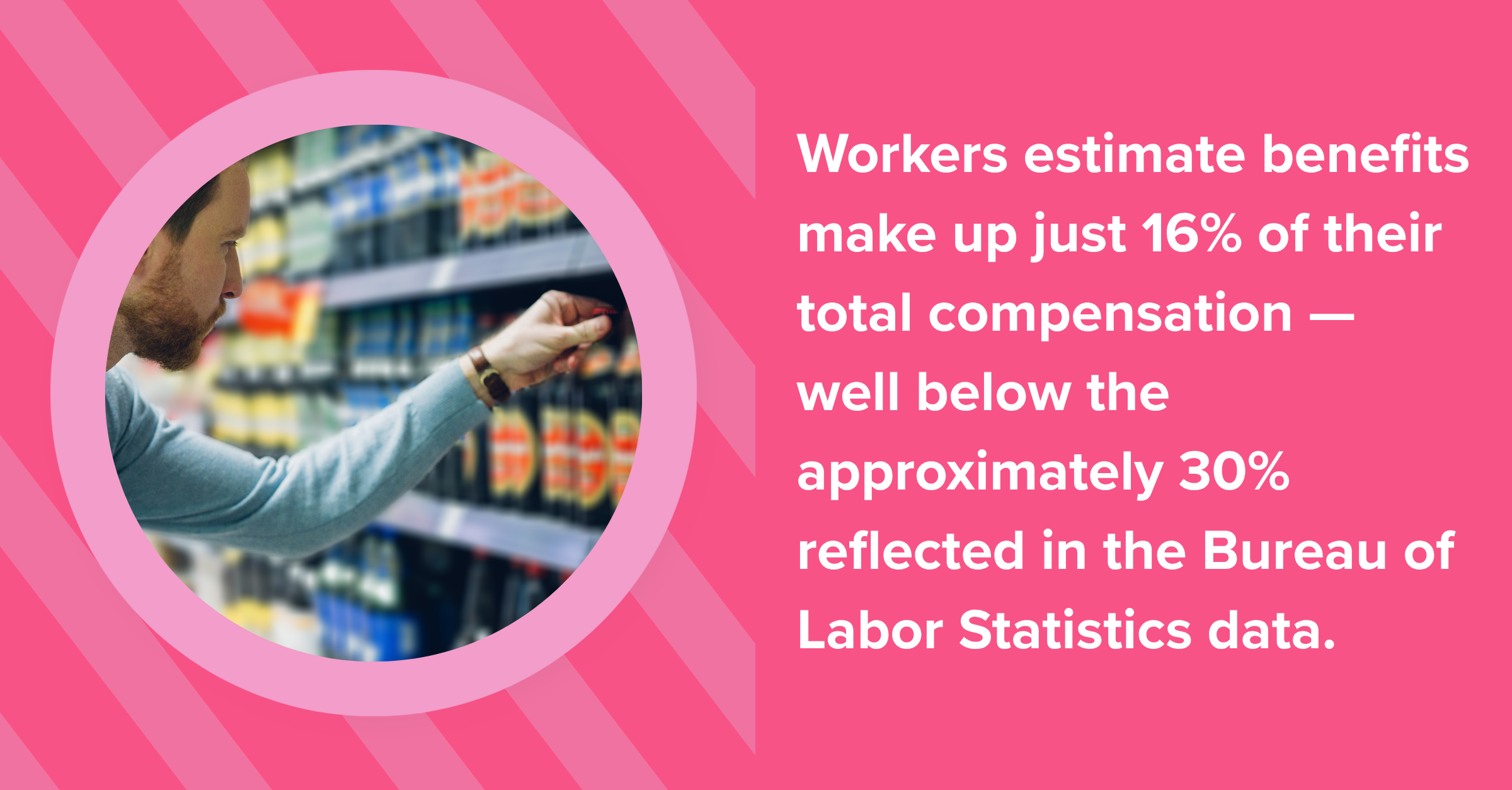
Employers may be investing substantially in benefits without employees fully recognizing that investment.
A more complete open enrollment campaign can introduce or reintroduce resources such as:
- Mental-health and well-being support
- Retirement and emergency-savings programs
- Caregiving and family benefits
- Employee assistance programs
- Financial education
- Voluntary insurance
- Employee discounts and purchasing-power benefits
- Lifestyle, travel and entertainment offers
The message should remain focused. Instead of listing every offering at once, organize benefits around recognizable needs: managing healthcare costs, supporting a family, protecting income, preparing for the future, or making household budgets go further.
Connect benefits with today’s financial pressures
The Federal Reserve’s latest household survey found that price increases remained a concern for 91% of U.S. adults in 2025. Only 63% said they could cover a $400 emergency expense entirely with cash or its equivalent (3).
Inflation and healthcare costs also remained employees’ two leading financial concerns in EBRI’s 2025 Workplace Wellness Survey. 89% of respondents were either very concerned (58%) or somewhat concerned (31%) about rising inflation, and 87% were very concerned (55%) or somewhat concerned (32%) about the cost of health care (2).
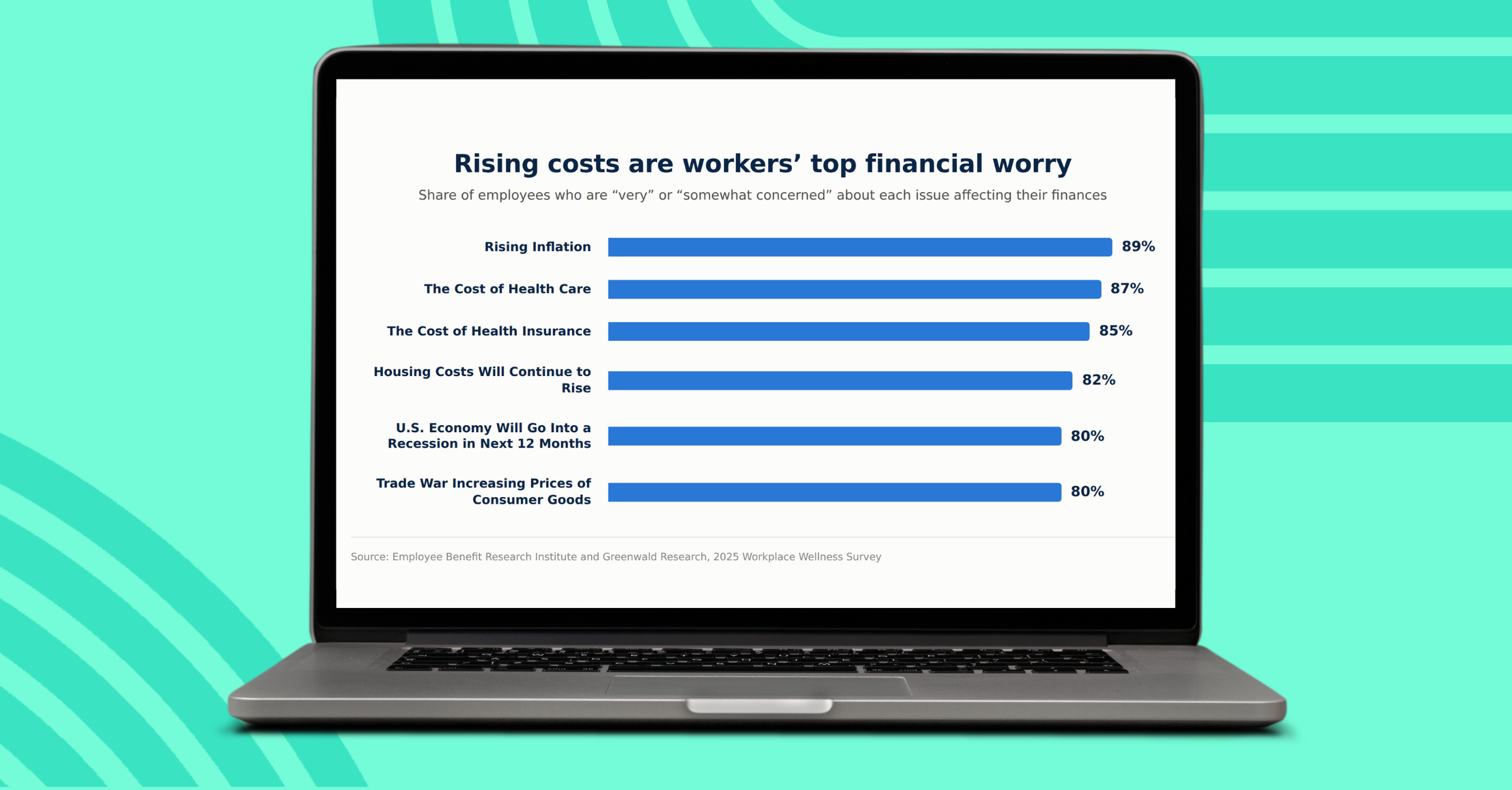
Open enrollment communication should acknowledge that context. Employees are not simply comparing plan designs. They may be trying to balance healthcare costs with groceries, transportation, childcare, housing, and other essential expenses.
Core health and retirement benefits remain fundamental. Employers can complement them with resources that provide more immediate support.
An employee discount program, for example, can help employees find savings across purchases they are already making. That might include groceries, electronics, travel, entertainment, fitness, or family activities. It does not replace health coverage or financial wellness programs.
This can also make the open enrollment message feel more relevant to employees who are not changing their primary coverage. Even if their health-plan selection stays the same, there may still be something useful for them to discover.
Build a campaign, not a single announcement
Open enrollment communication should not depend on one email.
Employees work different schedules, prefer different channels, and may not be ready to make a decision the first time they receive information. A campaign creates multiple opportunities to understand and act.
A practical sequence could include:
- An early announcement with dates and expected actions
- A concise overview of important plan changes
- A benefits guide or comparison resource
- A webinar, benefits fair or office-hours session
- Short reminders focused on individual decisions
- A final deadline reminder
- Confirmation and next-step information
Use plain language and keep the primary action visible. Clearly distinguish between what employees must do, what they should review, and what is simply available to explore.
Repetition is useful when the message changes at each stage. The first communication can create awareness. The next can explain changes. Later reminders can address common questions or highlight overlooked resources.
HR teams should also consider who may be missed. Remote employees, frontline workers, new hires, employees on leave, and workers without regular computer access may need different formats or additional time to engage.
Carry engagement beyond open enrollment
The attention generated during open enrollment should not disappear once elections close.
Benefits are easier to understand when employees encounter them at relevant moments throughout the year. Mental health support can be promoted during periods of high stress. Financial resources can align with tax season or major spending periods. Employee savings can be connected with travel, back-to-school costs, or holiday shopping.
This year-round approach can also reduce the pressure on open enrollment. Employees who regularly hear about their benefits are less likely to be starting from zero when the next enrollment window arrives.
After the campaign, HR teams can review:
- Enrollment and completion rates
- Frequently asked questions
- Webinar or event participation
- Benefits-page visits
- Engagement with highlighted programs
- Feedback from different employee groups
Those insights can inform both future communication and the benefits strategy itself.
Sources
- KFF, 2025 Employer Health Benefits Survey. https://www.kff.org/health-costs/2025-employer-health-benefits-survey/
- Employee Benefit Research Institute and Greenwald Research, 2025 Workplace Wellness Survey. https://www.ebri.org/content/full/2025-workplace-wellness-survey
- Board of Governors of the Federal Reserve System, Economic Well-Being of U.S. Households in 2025, May 2026. https://www.federalreserve.gov/publications/2026-economic-well-being-of-us-households-in-2025-executive-summary.htm