


Summer has a way of making people spend.
Weekend trips, dinners out, camping equipment, theme park tickets, trips to the beach, and back-to-school shopping to top it all off. None of them feel surprising on their own. But together they add up – and quickly.
For employees already managing higher costs, debt, household bills, and competing financial priorities, summer can become less of a break and more of a budget test. That matters for employers because financial stress rarely stays outside the workplace. It follows people into their workday, affecting focus, productivity, morale, and how supported they feel by their organization.
Summer spending is bigger than vacation spending
When people think about summer costs, travel usually comes to mind first. And for good reason.
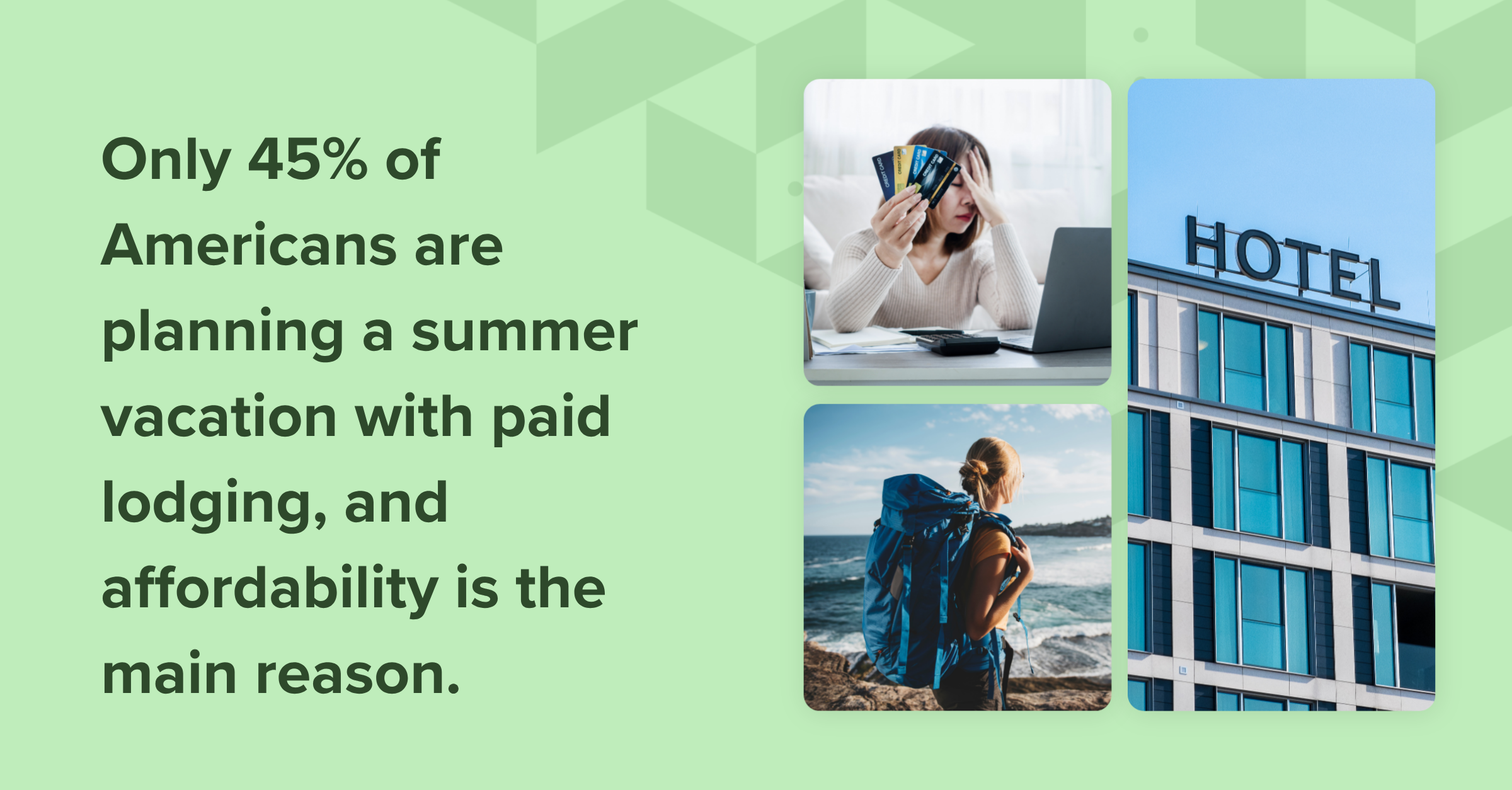
Deloitte’s 2026 Summer Travel Survey found that only 45% of Americans are planning a summer vacation with paid lodging, the lowest level in six years. Among those not traveling, affordability is a major reason: 32% said travel is too expensive, and 35% said they cannot afford it (1).
That does not mean people have stopped wanting summer experiences. It means many are becoming more selective, more cost-conscious, and more likely to scale back.
For those who are travelling, costs are still climbing. Deloitte found that travelers expect to spend an average of $4,069 on their longest summer trip, up 17% compared to last year (1). Reuters also reported that rising airfare and hotel rates are creating a sharper divide in summer travel, with budget-conscious consumers delaying, scaling back, or cancelling plans while higher-income travelers continue to spend (2).
But travel is only one piece of the summer affordability story.
Summer can also mean higher spending on childcare, camps, family outings, transportation, food, entertainment, home projects, and seasonal shopping. Even employees who are not booking flights or hotels may still feel the financial pressure of keeping kids busy, attending events, hosting family, or making the most of limited time off.
Financial wellness gets real when spending happens
Financial wellness is often discussed through long-term goals: retirement readiness, savings plans, budgeting education, debt management, and financial literacy.
All of that matters. But for many employees, the pressure is much more immediate.
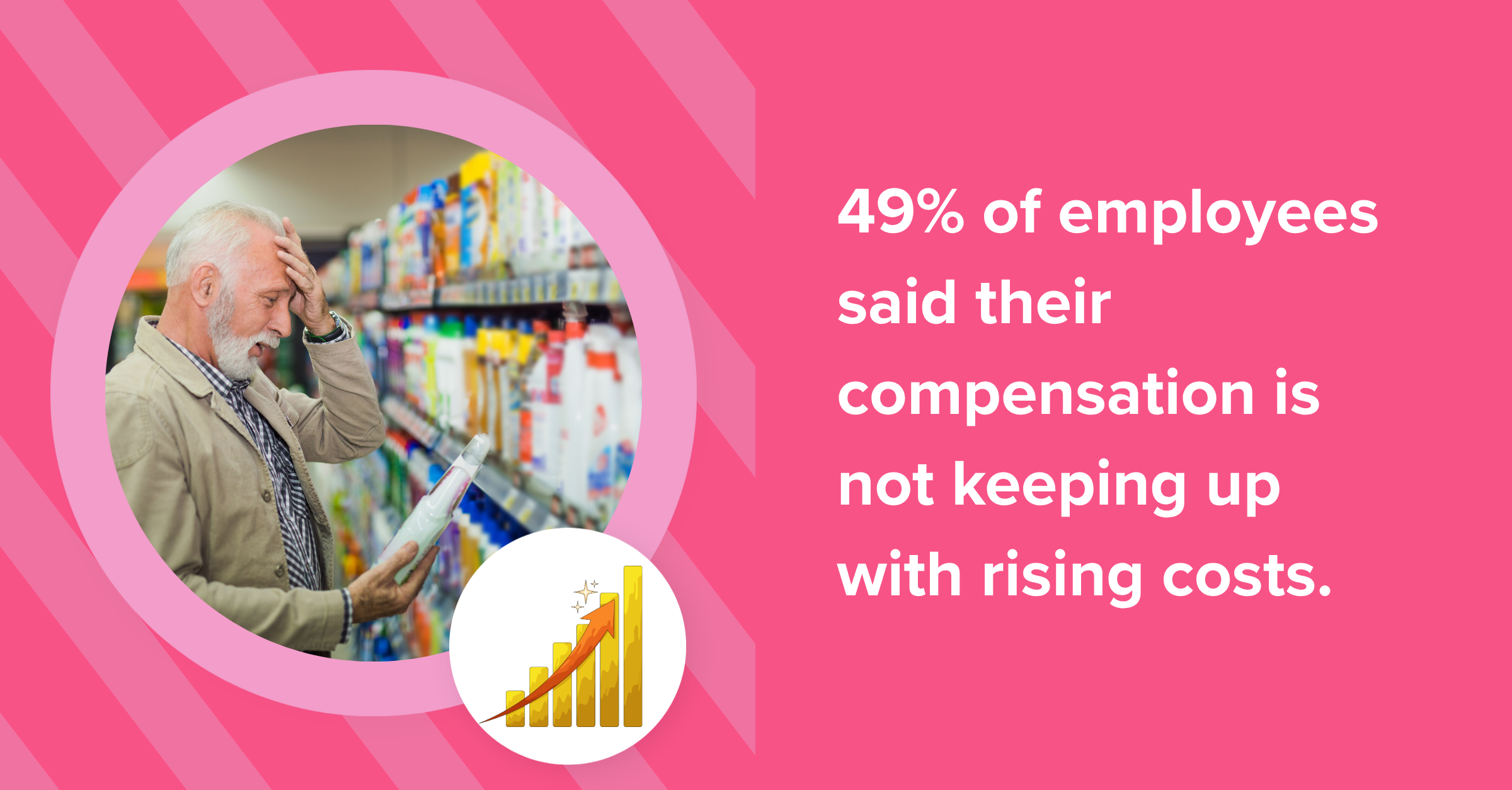
PwC’s 2026 Employee Financial Wellness Survey found that 59% of employees are stressed about their finances right now. Nearly half, 49%, said their compensation is not keeping up with rising costs. More than half reported having less than $5,000 saved for emergencies, while 30% had less than $1,000 (3).
Financial wellness cannot only live in future-focused education. Employees also need support in the moments where money is actively leaving their accounts.
The hotel booking. The car rental. The summer camp payment. The family day out. The new luggage. The event tickets. The weekly purchases that feel manageable until they stack up.
Employee savings programs can play a meaningful role here because they connect financial wellness to actual spending behavior. They give employees access to practical savings in categories they already use, rather than asking them to find extra room in a budget that may already feel stretched.
Employee purchasing power is becoming a benefits conversation
Affordability is not a side issue for employees. It is increasingly central to how they experience work, compensation, and benefits.
The National Endowment for Financial Education reported that 88% of U.S. adults entered 2026 with some form of financial stress, while 77% said they experienced a financial setback in 2025 (4). Their polling also found that top anticipated expenses for 2026 include debt, home-related expenses, and transportation.
For HR leaders, this creates a practical question:
If employees are worried about the cost of living, what can employers offer that feels relevant without requiring a full compensation overhaul?
This is where workplace affordability benefits can help fill a gap. Employee discount programs, travel savings, entertainment perks, family savings, and lifestyle benefits give employees more ways to manage everyday and seasonal costs. They also give employers a cost-effective way to support financial resilience, especially when budgets are tight and traditional benefits costs continue to rise.
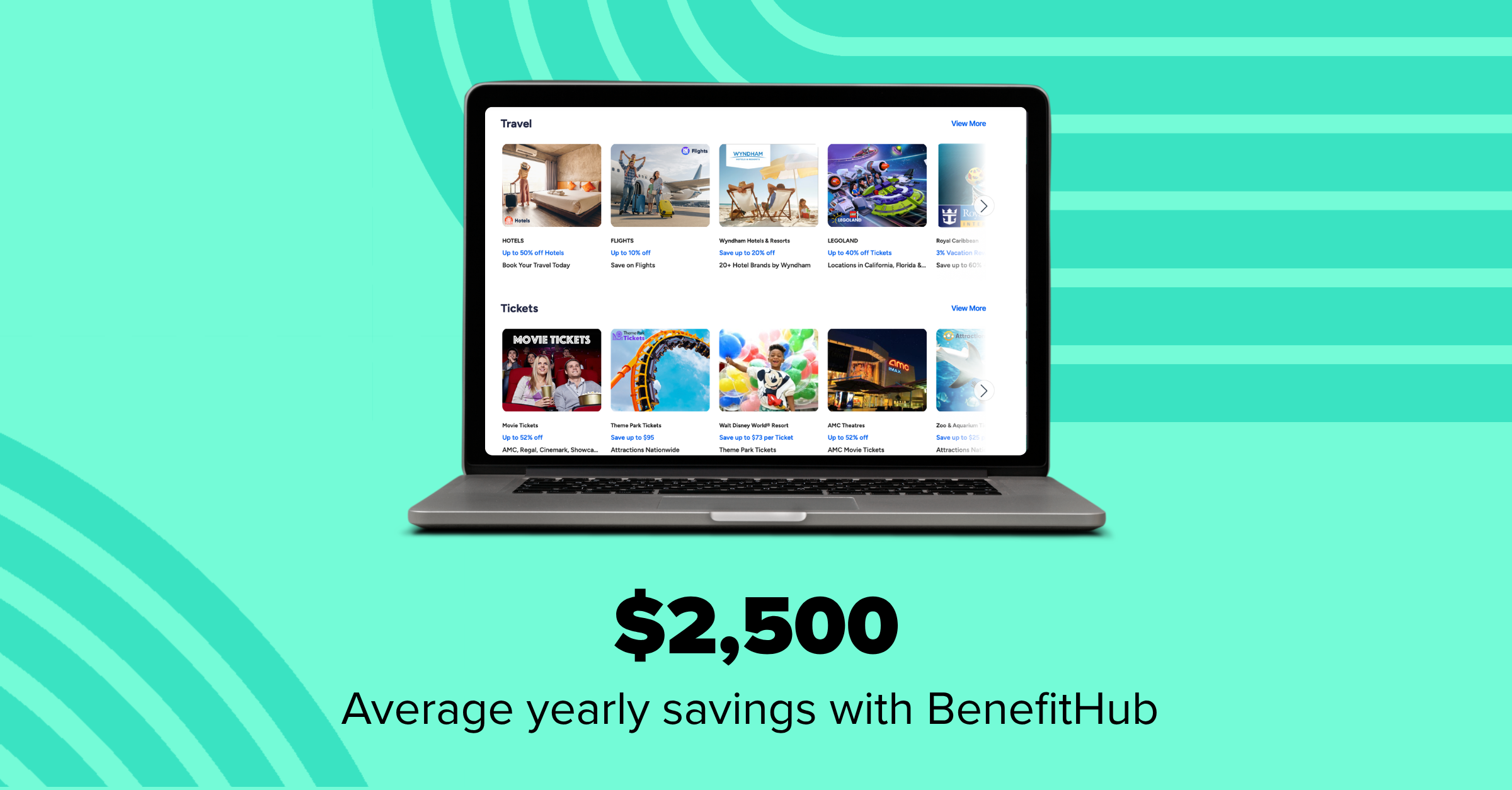
This is not about positioning perks as the entire answer. Employees still need fair pay, strong core benefits, healthy workplace cultures, and thoughtful support. But savings benefits can be an important layer in a broader financial wellbeing strategy because they are tangible, immediate, and easy to understand.
Put simply: employees know what it means to save money on something they were already planning to buy.
What employers can do now
Summer is a practical time to make employee savings more visible, specific, and easier to use.
Employers can start by connecting benefits to real spending moments. Instead of promoting a savings platform in broad terms, highlight categories employees are likely thinking about right now: travel, entertainment, family activities, transportation, home, dining, and seasonal shopping.
It also helps to position savings as part of financial wellness. Financial wellness is not only about planning for the future. It is also about helping employees manage the cost of life today.
The bottom line
Summer should feel like something employees can look forward to.
But for many, the season now comes with a long list of added expenses and trade-offs. That makes it an important moment for employers to rethink how they support financial wellness in practical, everyday ways.
Employee savings benefits cannot remove every financial pressure. But they can help employees stretch their purchasing power, access more value, and make the most of the plans they are already trying to afford.
For organizations looking to offer meaningful, cost-effective support, summer is a smart place to start.
Sources:
1. Deloitte, “Flight or fold: 2026 Deloitte Summer Travel Survey,” May 19, 2026.
https://www.deloitte.com/us/en/insights/industry/transportation/2026-summer-travel-trends-survey.html
2. Reuters, “Costlier flights, hotels divide US summer travel into haves and have-nots,” May 28, 2026.
https://www.reuters.com/business/costlier-flights-hotels-divide-us-summer-travel-into-haves-have-nots-2026-05-28/
3. HR Dive, “Financial stress drags employee engagement down,” covering PwC’s 2026 Employee Financial Wellness Survey, April 24, 2026.
https://www.hrdive.com/news/financial-stress-drags-employee-engagement-down/818415/
4. National Endowment for Financial Education, “Poll: Americans Feeling Financial Stress To Begin 2026,” January 29, 2026.
https://www.nefe.org/news/2026/01/poll-americans-feeling-stressed-to-begin-2026.aspx